
LED Face Masks: What They Can Really Do And How To Choose One Smarter
A practical guide to LED face masks, combining medical guidance, buyer-focused evaluation, and the latest premium-device direction into one clearer framework.
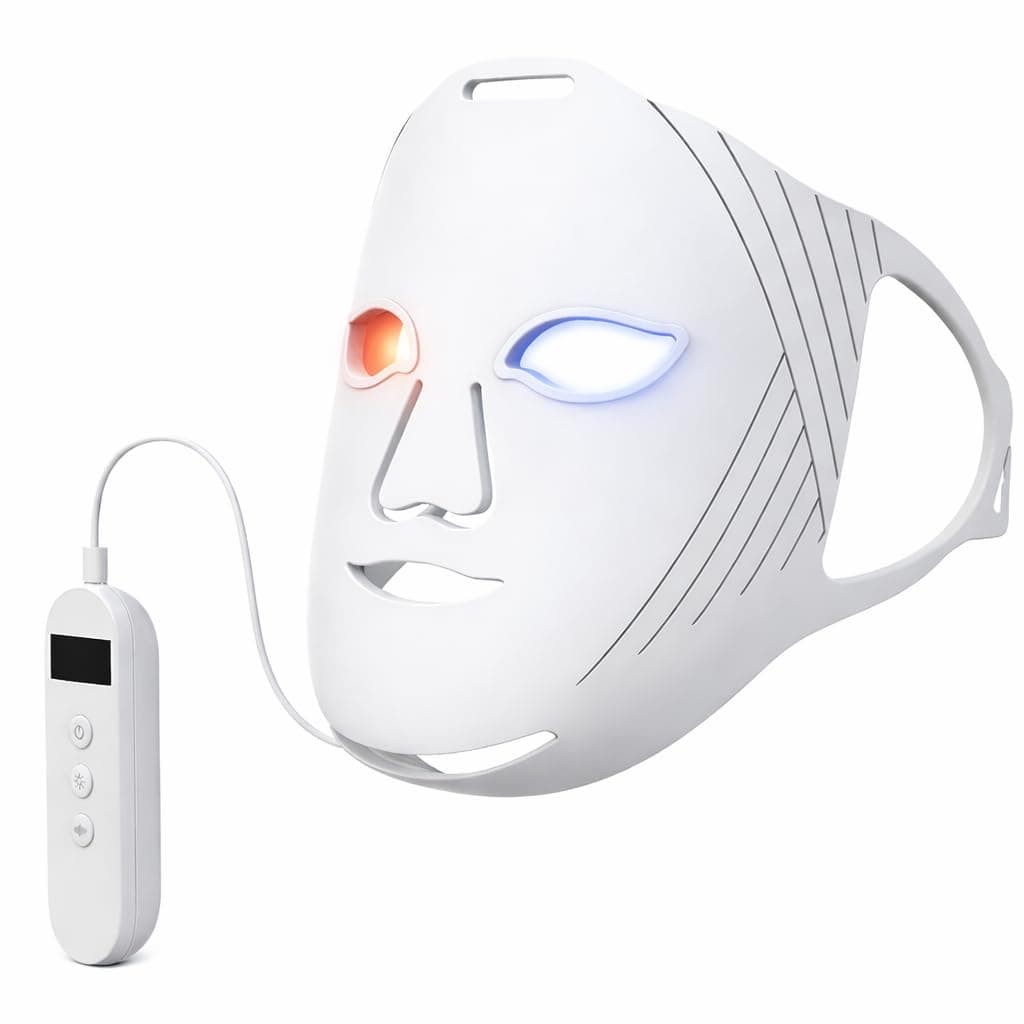
Reference angles synthesized in this article
- Medical guidance on LED therapy mechanisms, use cases, safety, and realistic at-home expectations.
- Buyer-focused evaluation criteria such as comfort, fit, session length, and repeat usability.
- Premium device positioning around multi-wavelength systems, app guidance, and personalization trends.
LED face masks sit at an interesting intersection: they borrow credibility from clinical light therapy, borrow desire from beauty-tech marketing, and promise convenience that professional treatment rooms cannot always offer.
The problem is that most people encounter this category in fragments. One source explains the science, another ranks products by comfort and features, and another sells a premium device with impressive claims about personalization, wavelengths, and visible change. Put together, those viewpoints tell a more useful story than any single article can alone.
This guide brings those threads into one practical framework. The goal is not to oversell at-home light therapy, but to help you understand where LED masks make sense, what results are realistic, and which signals matter most before you spend serious money.
First, what LED light therapy actually does
Medical references describe LED light therapy as a non-invasive treatment that sends specific wavelengths into the skin at different depths. Red light is commonly associated with inflammation support and collagen-related goals, while blue light is often discussed for acne-related concerns. Near-infrared goes deeper than visible light bands and is often positioned around deeper tissue penetration.
That framework matters because it keeps us from treating every glowing mask as if it works the same way. The color, depth, and treatment goal are connected. A device designed for calming breakouts is not necessarily optimized the same way as one aimed at visible firmness or overall tone support.
- Red light is often used for visible aging and inflammation-related goals.
- Blue light is commonly associated with acne-focused routines.
- Near-infrared is usually discussed as the deeper-penetrating companion band.
Why expectations matter more than hype
A key medical point is that at-home devices are generally less powerful than in-office systems. That does not make them useless, but it does change the promise. For many people, the realistic value of a home LED mask is consistency, convenience, and gradual visible improvement instead of dramatic transformation after a handful of sessions.
This is where the category often gets misread. Consumers see premium price tags, polished app experiences, and ambitious before-and-after language, then assume the result should feel comparable to an intensive clinic treatment. In practice, the better comparison is not miracle versus failure, but sustainable routine versus one-off treatment.
What good buyer guides are really evaluating
Consumer review roundups tend to focus on things many brand pages downplay: comfort, fit, session length, strap stability, weight, and how realistically a product fits into normal life. That is useful because LED masks are only effective if they are used repeatedly. A technically impressive mask that feels heavy, awkward, or annoying can easily become an expensive drawer resident.
This shifts the buying question from “Which mask sounds most advanced?” to “Which design is most likely to become part of my routine?” In real ownership, ergonomics and adherence often matter as much as raw spec sheets.
- Fit affects whether light reaches the face evenly.
- Shorter, simpler sessions improve the odds of consistent use.
- Comfort and stability matter more than luxury packaging over time.
How premium masks are evolving
Premium product pages increasingly emphasize more than one wavelength, app-guided routines, personalization, and progress tracking. That signals a broader market shift: brands are no longer only selling a hardware shell with lights inside. They are selling a system, one that frames light therapy as a guided ritual with feedback loops.
That idea can be meaningful if it reduces friction. A well-designed ecosystem can make setup easier, remove guesswork, and help users stay consistent. At the same time, personalization claims should not replace common-sense evaluation. More colors, more app screens, or AI language do not automatically mean better outcomes if the core fundamentals, safety guidance, and wearability are weak.
A smarter checklist before you buy
If you are comparing masks in the premium or medical-adjacent category, start with your concern first and features second. Someone focused on occasional breakouts may not need the same setup as someone prioritizing visible firmness, redness support, or a broader rejuvenation routine.
Then look for device credibility in a practical order: wavelength purpose, treatment time, ease of wear, eye-safety instructions, regulatory language, return policy, and whether the product seems built for repeatable use instead of just a glamorous launch page.
- Match the light strategy to your main skin concern.
- Choose a device you can realistically use multiple times per week.
- Prefer clear safety guidance and credible regulatory language.
- Treat AI and personalization as bonus layers, not proof of efficacy.
Who should slow down before using one
Medical guidance also makes room for caution. People with photosensitivity concerns, certain medications, eye conditions, or a history of specific skin issues may need medical input before starting LED therapy. Even when a product is marketed as gentle, non-invasive, or daily-friendly, that does not make it automatically right for every user.
The safest mindset is simple: treat an LED mask like a real treatment device, not a toy. Clean skin, correct timing, eye protection, and faithful use of the manufacturer’s instructions are part of the result, not optional extras.
The most useful way to think about LED face masks is not as instant beauty technology, but as structured home care. The science supports some real applications, the buyer guides remind us that usability matters, and premium product design shows where the market is heading: more guidance, more personalization, and more lifestyle integration.
That can be worthwhile if you buy with clear expectations. Choose the problem you want to address, pick the simplest device you will actually use, and remember that consistency usually beats novelty. In a category full of glow, discipline is still the real differentiator.